Hydronic heating systems provide exceptional radiant warmth by circulating heated water through radiators, baseboard units, or underfloor tubing networks. Unlike forced-air systems that create dry drafts, boilers maintain consistent, gentle indoor temperatures across living spaces. When internal mechanical components begin to degrade, system efficiency drops and heating performance becomes unpredictable. Understanding how early hydronic interventions preserve equipment efficiency yields significant financial savings.
Hydronic loops operate under constant hydraulic pressure and elevated thermal conditions, making early fault detection essential for system health. Ignoring minor pressure drops or slight operational noises often leads to localized radiator cold spots and elevated utility bills. Property owners seeking reliable boiler repair Delaware can prevent sudden system lockouts by addressing minor valve leaks and air blockages early. Timely technical care keeps radiant heating systems operating smoothly.
Understanding Hydronic Efficiency Losses and Thermal Transfer Mechanics
Boiler performance depends on efficient heat transfer between combustion gases and circulating water within the heat exchanger. When scale deposits build up inside cast iron or stainless steel heat exchangers, water flow slows down and heat transfer drops. This thermal barrier forces burner assemblies to fire longer to achieve set thermostat temperatures, increasing monthly fuel consumption.
Trapped air pockets inside radiator pipes represent another common cause of uneven heat distribution throughout living quarters. Air pockets prevent hot water from reaching upper radiator sections, leaving rooms uncomfortably chilly despite high thermostat settings. Bleeding trapped air and balancing distribution valves restores proper hydraulic flow, ensuring every radiator receives adequate thermal energy without forcing the main boiler to overwork.
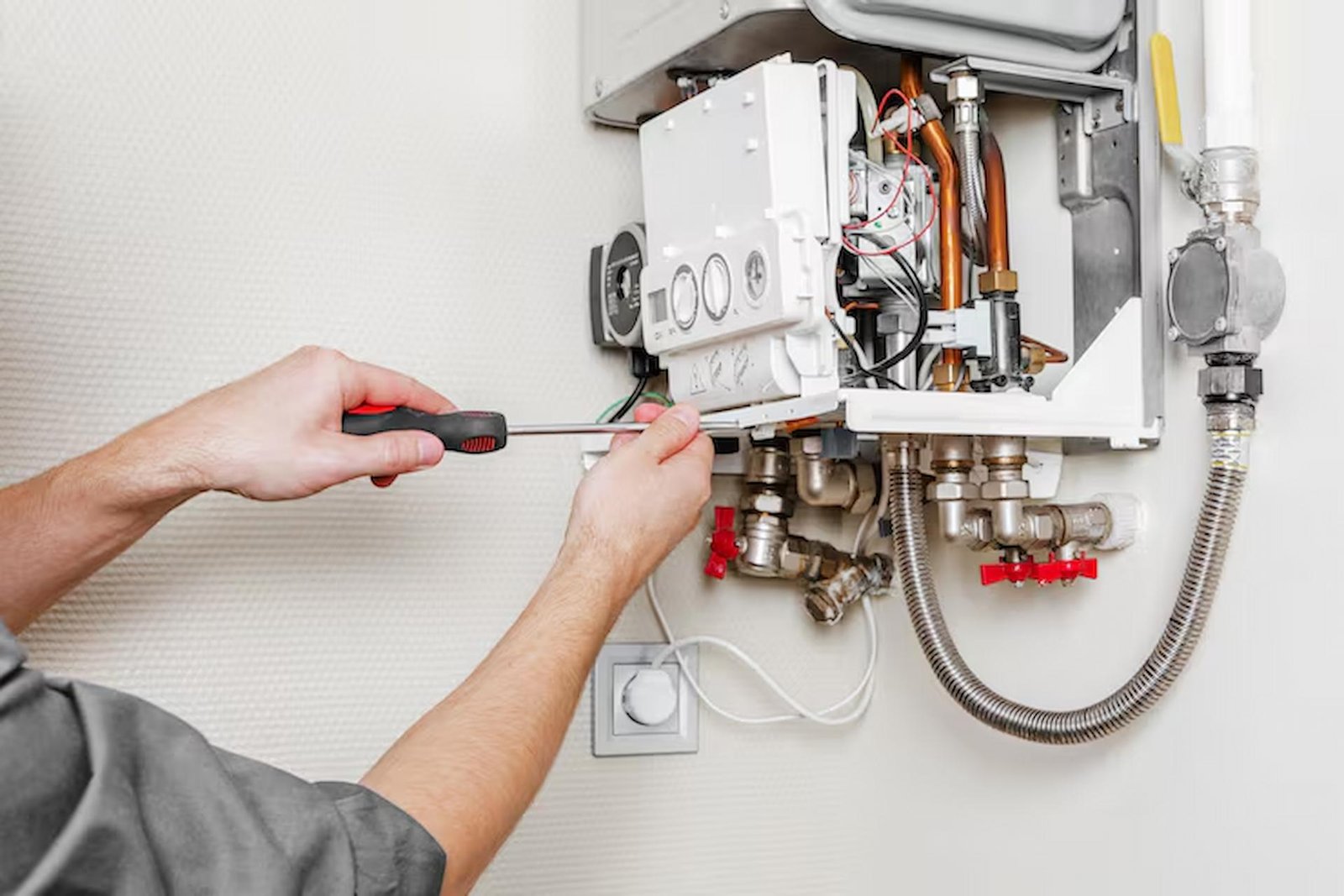
Securing professional boiler repair Delaware resolves complex circulation problems before circulating pumps fail. Certified technicians test expansion vessel pressure, clean dirty flame rods, and balance manifold valves to ensure uniform heat distribution. Correcting minor pressure imbalances prevents thermal shock inside cast iron sections, extending overall equipment service life while stabilizing monthly energy expenditures.
Preventing System Pressure Loss and Component Corrosion
System pressure drops typically indicate hidden leaks within the closed loop or a failing automatic water feeder valve. Low water pressure prevents hydronic fluid from circulating to upper floor radiators, causing upper living areas to lose heat entirely. Operating a boiler with insufficient water levels can crack heat exchangers, resulting in catastrophic equipment failure and expensive replacement costs.
Water quality within hydronic piping directly impacts internal component longevity and thermal efficiency. Untreated fill water contains dissolved oxygen and minerals that cause internal iron oxidation and heavy black sludge accumulation. This metallic sludge settles inside circulating pump impellers and narrow boiler passages, restricting fluid movement. Chemical power flushing removes accumulated debris, restoring clean fluid pathways and protecting delicate zone valves.
Key Operational Signals of Hydronic System Stress
Monitoring hydronic heating systems for subtle operational shifts enables property owners to address minor mechanical issues early. Recognizing distinct performance changes protects internal components and prevents sudden heating failures during cold winter snaps. Homeowners should watch for these specific mechanical warning indicators:
- Metallic clunking or loud kettling noises caused by localized boiling over heavy lime scale deposits.
- Radiator units remaining lukewarm at the top while feeling hot near the lower pipe connections.
- Water dripping consistently from the temperature and pressure relief discharge pipe onto floor drains.
- Pressure gauge needles falling below standard cold operating limits of twelve pounds per square inch.
- Frequent burner short-cycling triggered by faulty aquastat settings or defective zone control relays.
Maximizing Operational Lifespan and Energy Economy
Proactive hydronic maintenance yields long-term financial benefits by keeping monthly fuel consumption predictable and preventing emergency service calls. Modern condensing boilers achieve maximum efficiency only when return water temperatures remain low enough to trigger flue gas condensation. Certified technicians calibrate gas valve settings and outdoor reset curves to keep return temperatures in optimal condensing ranges.
Upgrading mechanical components, such as replacing fixed-speed circulator pumps with modern electronically commutated motor pumps, significantly cuts electrical consumption. Installing magnetic dirt separators inside return piping captures metallic particles before they damage pump bearings or clog heat exchanger waterways. These targeted upgrades optimize heat delivery across every zone, protecting physical machinery investments while lowering carbon footprints.
Investing in skilled hydronic service converts complex heating hardware into a reliable, long-term home asset. Clean heat exchangers, properly charged expansion tanks, and balanced hydronic loops eliminate cold spots and protect property infrastructure. Following structured preventative care habits ensures consistent indoor comfort through demanding winter seasons. Taking action early keeps overall heating expenses manageable and predictable.
Secure Efficient Heat
Addressing hydronic heating issues early preserves radiant warmth, reduces monthly fuel expenses, and prevents catastrophic mechanical failures. System flushing, air purging, and pressure calibrations ensure steady heat delivery across every living space. Protect your home comfort investment today by scheduling a comprehensive diagnostic evaluation with a qualified hydronic technician to ensure efficient, trouble-free operation all winter long.