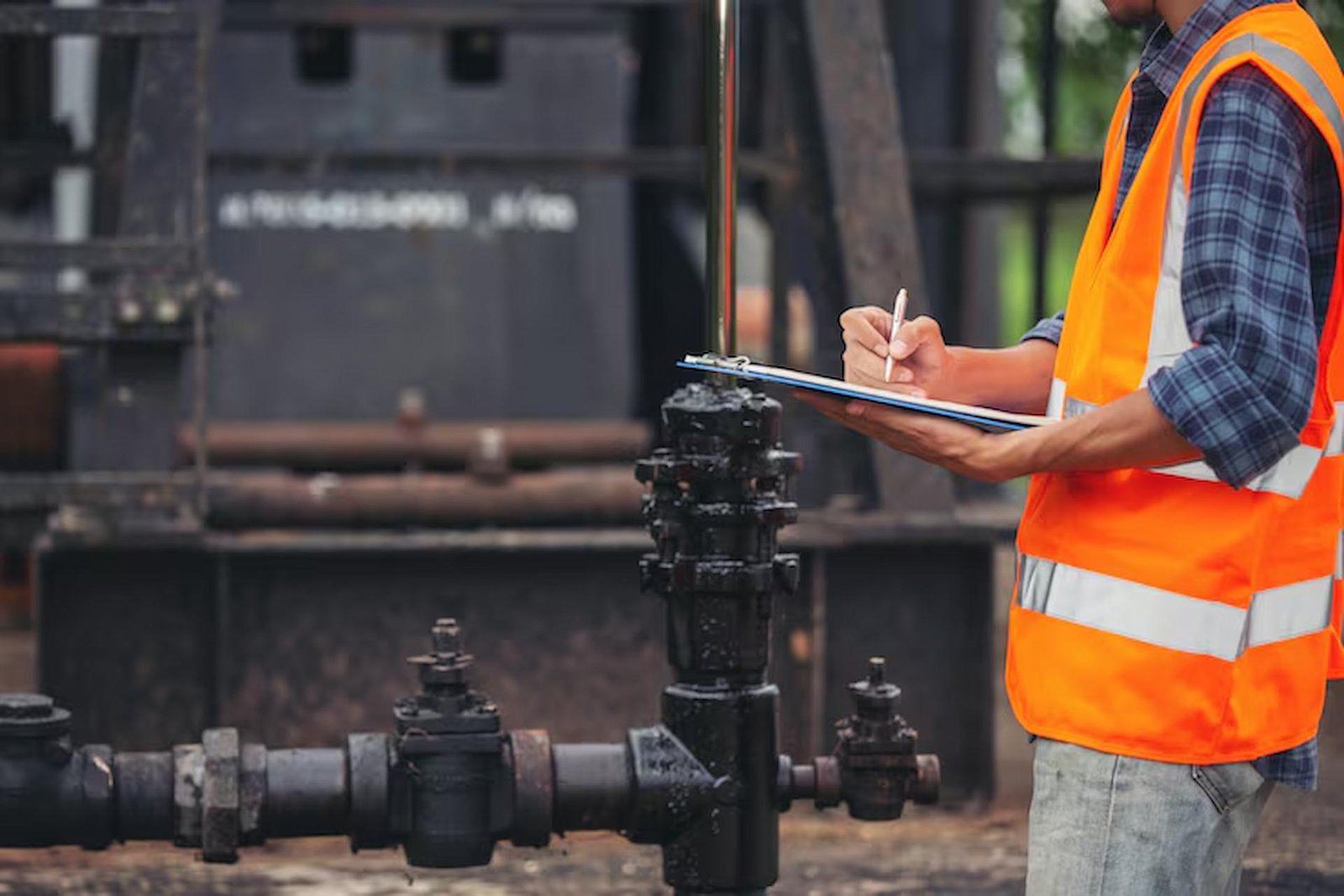
Hidden plumbing issues can develop for months or even years before homeowners notice visible signs of damage. Small leaks, corrosion, pipe shifts, and drainage problems often remain concealed behind walls, beneath floors, or underground. By the time symptoms become obvious, repair costs may already be substantial. Regular pipe inspections provide an effective way to identify developing issues early, helping homeowners protect their property, reduce expenses, and maintain a safe, comfortable living environment.
Many property owners rely on reliable plumbing systems every day without considering what happens behind the scenes. Pipes deliver clean water, remove waste, and support essential household activities. Routine inspections help ensure those systems continue operating efficiently while uncovering hidden concerns before they become emergencies. Early detection often prevents extensive water damage, structural deterioration, and costly restoration projects that affect both comfort and property value.
Early Detection Prevents Major Water Damage
One of the greatest benefits of routine pipe inspections is the ability to identify problems before they escalate. Small leaks may seem harmless initially, but continuous moisture can create serious issues over time.
Hidden Leaks Can Cause Significant Damage
Water leaking behind walls or beneath flooring often damages insulation, drywall, wood framing, and flooring materials. Excess moisture may also encourage mold growth and compromise indoor air quality. Professional inspections help locate hidden leaks before they spread and require expensive repairs.
Early intervention typically costs far less than repairing structural damage caused by prolonged water exposure.
Pipe Inspections Help Identify Corrosion Early
Many plumbing systems naturally experience wear as pipes age. Corrosion can weaken pipe walls and increase the likelihood of leaks or sudden failures.
Why Corrosion Matters
Older metal pipes are particularly vulnerable to rust and mineral buildup. Corrosion may restrict water flow, reduce pressure, and eventually lead to cracks or pipe bursts. Homeowners who invest in reliable plumbing maintenance often discover aging pipe issues before they create costly emergencies.
Professional inspections provide valuable insight into overall pipe condition, helping homeowners plan repairs or replacements proactively rather than reacting to unexpected failures.
Small Repairs Are Less Expensive Than Emergencies
Emergency plumbing repairs often involve higher labor costs, water damage restoration, and urgent service fees. Preventative inspections help reduce these financial risks.
The Cost Difference Can Be Significant
Replacing a worn pipe section during a scheduled maintenance visit is generally far less expensive than repairing burst pipes, damaged flooring, and mold-related issues after a major plumbing failure. Routine evaluations allow homeowners to address concerns while they remain manageable.
Common Problems Found During Inspections:
- Small hidden leaks
- Corroded pipe sections
- Loose pipe connections
- Drainage restrictions
- Tree root intrusion
- Water pressure issues
Identifying these concerns early helps prevent larger plumbing emergencies.
Better Water Pressure and System Performance
Pipe inspections do more than identify leaks. They also help improve overall plumbing performance and efficiency throughout the home.
Why Water Flow Matters
Mineral deposits, sediment buildup, and partial blockages can restrict water movement over time. Reduced water pressure often signals developing pipe issues that deserve professional attention.
Homeowners who prioritise reliable plumbing inspections frequently experience better water flow, improved fixture performance, and fewer disruptions to daily household routines. Maintaining healthy pipes supports both convenience and long-term system reliability.
Sewer Line Problems Can Be Detected Early
Many serious plumbing emergencies originate within underground sewer lines. Without inspection equipment, these issues may remain hidden until backups occur.
Common Sewer Line Concerns
Tree roots, pipe shifts, cracks, and blockages can gradually interfere with wastewater flow. Camera inspections allow plumbers to evaluate sewer line conditions accurately and identify developing problems before they cause significant damage.
Early sewer line diagnosis often prevents sewage backups, unpleasant odors, and expensive excavation work.
Benefits of Routine Pipe Inspections:
- Reduced risk of water damage
- Lower repair expenses
- Improved plumbing efficiency
- Better water pressure
- Early detection of hidden leaks
- Longer plumbing system lifespan
These advantages help homeowners protect both their property and finances.
Pipe Inspections Support Home Value
A healthy plumbing system contributes directly to property value and buyer confidence. Hidden plumbing problems can complicate real estate transactions and increase negotiation challenges.
Why Property Owners Benefit
Documented inspection records demonstrate responsible homeownership and proactive maintenance. Buyers often appreciate evidence that plumbing systems have been evaluated regularly and maintained properly.
Preventative inspections may also uncover issues before home sales, allowing sellers to address concerns on their own timeline rather than during negotiations.
Moisture Control Protects Indoor Air Quality
Water damage affects more than building materials. Excess moisture can negatively impact air quality throughout the home.
Hidden Moisture Creates Additional Risks
Mold growth may develop in concealed spaces where leaks remain undetected. Mold spores can circulate through ventilation systems and affect respiratory health. Moisture may also reduce insulation performance and increase heating or cooling demands.
Regular inspections help maintain healthier indoor environments while supporting overall home comfort and energy efficiency.
Modern Inspection Technology Improves Accuracy
Today’s plumbing professionals use advanced equipment to evaluate pipes with minimal disruption. Modern technology allows accurate diagnosis without unnecessary demolition.
Tools Used During Professional Inspections
Video camera inspections, moisture detection equipment, pressure testing, and leak detection systems help locate hidden concerns efficiently. These tools provide clear information that supports informed repair decisions.
Signs You May Need an Inspection Soon:
- Unexplained increases in water bills
- Low water pressure
- Persistent drain odors
- Slow drains
- Water stains on walls or ceilings
- Frequent plumbing repairs
These symptoms often indicate underlying issues that deserve professional evaluation.
Wrapping Up
Regular pipe inspections are one of the most effective ways to prevent costly plumbing emergencies and protect your home from water damage. Early detection of leaks, corrosion, sewer line issues, and drainage problems allows homeowners to address concerns before repairs become expensive. Routine inspections also improve water pressure, support indoor air quality, and extend plumbing system lifespan. By investing in preventative maintenance and reliable plumbing evaluations, homeowners can save thousands in future repairs while maintaining comfort, efficiency, and long-term property value.