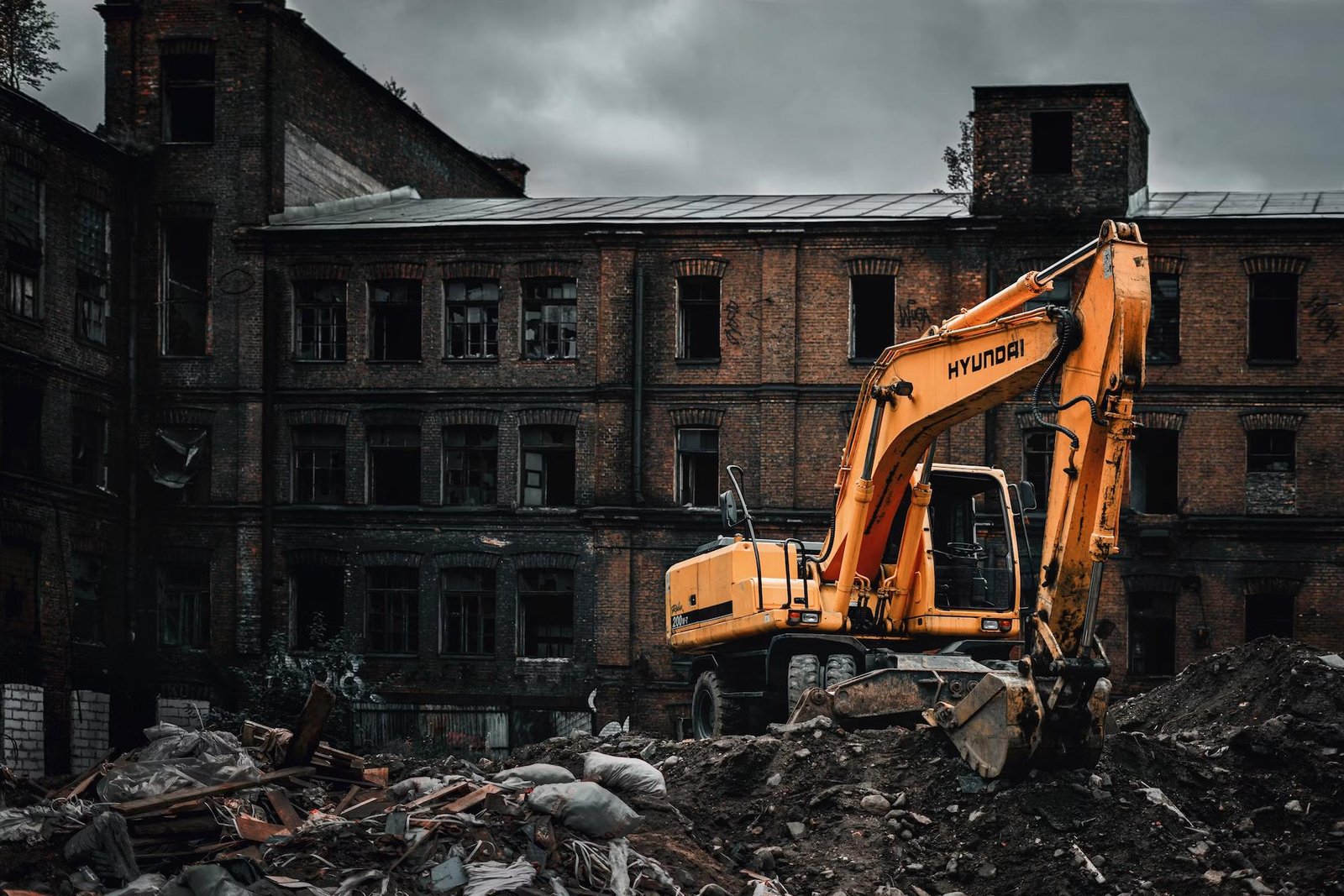
Construction projects create large amounts of waste every year. However, modern demolition is no longer just about knocking buildings down. Today, the focus is on reducing waste, protecting the environment, and making better use of valuable materials. Sustainable demolition helps construction companies lower their environmental impact while supporting a more efficient building industry.
When choosing demolition Berkshire services, many property owners now look for contractors who follow environmentally responsible methods. These practices reduce landfill waste, recover reusable materials, and support greener construction projects from start to finish.
Why Sustainable Demolition Matters
Traditional demolition often resulted in huge volumes of mixed waste being sent to landfill. This approach wasted valuable resources and increased disposal costs. Sustainable demolition takes a different route by carefully planning every stage of the project.
Experienced demolition Berkshire contractors assess buildings before work begins. They identify materials that can be reused, recycled, or safely removed. As a result, fewer resources are wasted, and more materials remain within the construction supply chain.
At the same time, sustainable demolition helps businesses meet environmental regulations and demonstrate responsible building practices.
Careful Planning Leads to Less Waste
Reducing construction waste starts long before demolition equipment arrives on site. A detailed site survey allows contractors to understand the building’s structure and identify recyclable materials.
Common materials that can often be recovered include:
- Concrete for crushing and reuse
- Bricks suitable for reclamation
- Steel and other metals for recycling
- Timber for repurposing where possible
By separating these materials during demolition, contractors prevent unnecessary contamination. Consequently, recycling becomes far more effective, and less waste ends up in landfill.
Recycling Materials Supports the Circular Economy
One of the biggest advantages of sustainable demolition is material recovery. Many building components still have significant value even after a structure reaches the end of its life.
Concrete can be processed into recycled aggregates for roads and foundations. Steel can be melted down and used in new construction without losing its quality. Bricks, paving stones, and certain timber products can often be cleaned and reused in future developments.
This approach supports the circular economy by keeping materials in use for longer. It also reduces demand for newly extracted raw materials, helping conserve natural resources.
Modern Equipment Improves Efficiency
Technology has transformed demolition practices in recent years. Modern machinery allows contractors to dismantle structures with greater precision, reducing unnecessary damage to reusable materials.
Dust suppression systems minimise airborne particles, while specialised attachments separate different materials more effectively. Furthermore, advanced equipment improves site safety and helps projects stay on schedule.
Efficient machinery also reduces fuel consumption and limits emissions, making the entire demolition process more environmentally friendly.
Responsible Waste Management Benefits Everyone
Effective waste management goes beyond recycling. Licensed demolition contractors ensure hazardous materials are identified and removed safely before demolition begins. This protects workers, nearby communities, and the surrounding environment.
Accurate waste sorting also makes transportation more efficient. Fewer landfill deliveries mean reduced transport emissions and lower disposal costs. Over time, these savings benefit developers, contractors, and clients alike.
Choosing sustainable demolition methods also strengthens a company’s environmental reputation. Increasingly, clients and investors value businesses that demonstrate genuine commitment to responsible construction practices.
Choosing the Right Demolition Partner
Not every contractor follows the same environmental standards. It is important to choose a demolition company with proven experience in waste reduction, recycling, and responsible site management.
Look for contractors who provide detailed waste management plans, comply with environmental regulations, and prioritise material recovery wherever possible. A professional team will explain how recyclable materials will be handled and what percentage of waste can realistically be diverted from landfill.
Later in the project, a trusted demolition Berkshire specialist can also provide documentation showing how waste has been managed responsibly, giving clients greater confidence in the project’s environmental performance.
Conclusion
Sustainable demolition is becoming an essential part of modern construction. By recovering valuable materials, reducing landfill waste, and using efficient equipment, demolition projects can significantly lower their environmental impact.
Careful planning, responsible waste management, and effective recycling all contribute to cleaner construction practices. As sustainability continues to shape the industry, choosing experienced demolition professionals who prioritise environmental responsibility is a smart investment for both current projects and future developments.