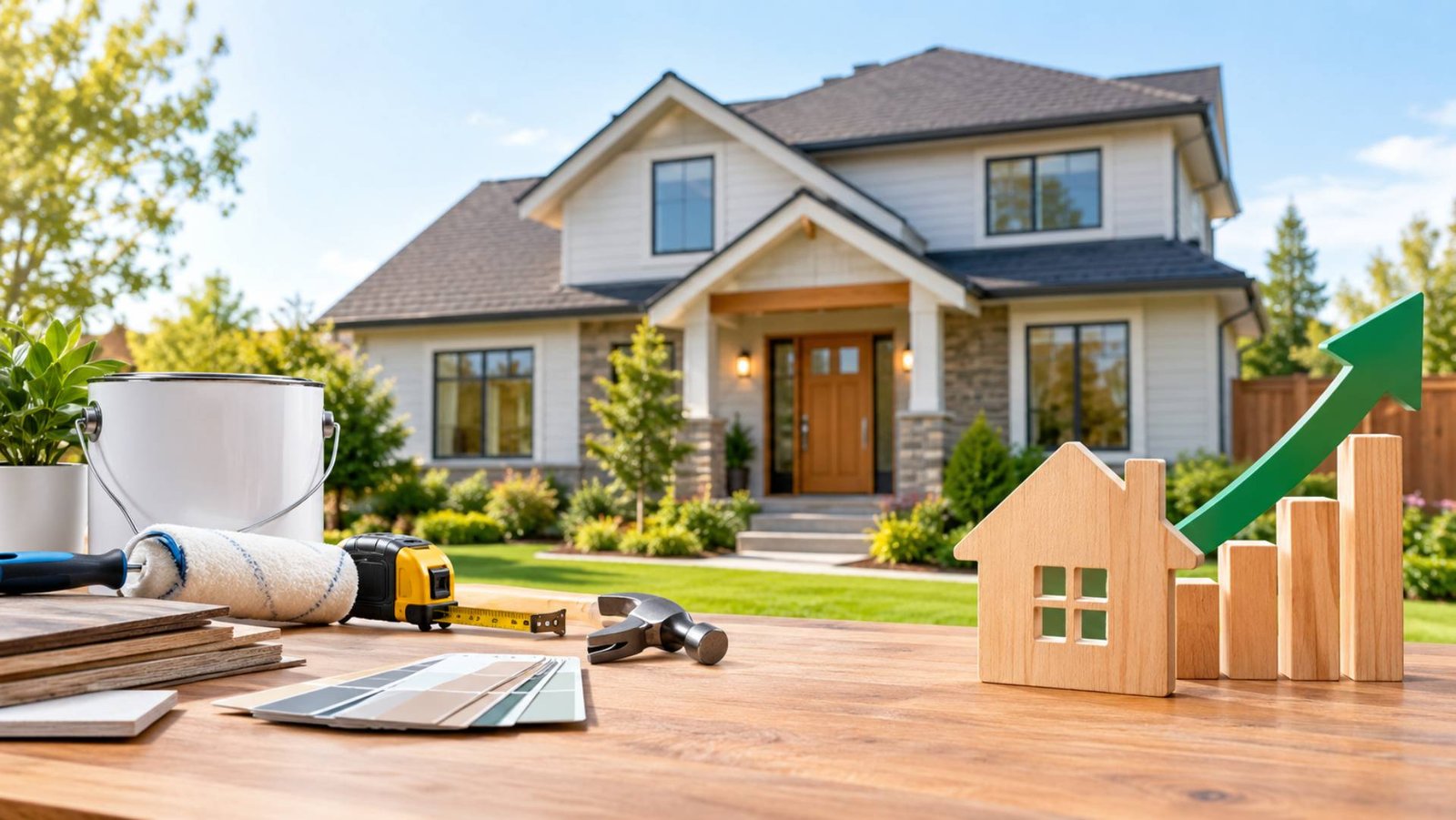
Improving your home can make it more comfortable, functional and attractive while also supporting its future resale value. However, not every renovation delivers the same return. The most worthwhile projects usually address practical needs, improve appearance and appeal to what buyers are looking for.
Whether you are preparing to sell or simply want to make a smart long-term investment, focusing on the right improvements can make a noticeable difference. Here are several practical home improvement tips for increasing property value without relying on unnecessary upgrades.
1. Improve Your Home’s Curb Appeal
First impressions matter, particularly when potential buyers view a property for the first time. The exterior is often the first part of your home they see, so keeping it clean and well maintained can make the property more inviting.
Simple improvements can include:
- Repainting the front door
- Cleaning pathways and exterior surfaces
- Maintaining the lawn and garden
- Replacing outdated exterior lighting
- Repairing damaged fencing or gates
- Adding simple, well-maintained plants
These projects do not necessarily require a large budget, but they can make the property look cared for and appealing.
2. Refresh the Kitchen
The kitchen is one of the areas buyers often pay close attention to. You do not always need a complete kitchen renovation to make an improvement.
Consider updating worn cabinet handles, replacing damaged worktops or adding modern lighting. Repainting cabinets can also give an older kitchen a fresher appearance without replacing everything.
Focus on creating a clean, functional space rather than choosing expensive features simply for appearance. A practical kitchen that looks well maintained can be more appealing than an elaborate design that does not suit the property.
3. Make the Bathroom Look Fresh
A dated or poorly maintained bathroom can affect how buyers perceive the entire home. Fortunately, small changes can make the space feel cleaner and more modern.
Replacing worn sealant, updating taps, improving lighting and installing a new mirror are relatively straightforward options. If the bathroom has damaged tiles or outdated fixtures, targeted replacements may also improve its appearance.
Good ventilation is important too. Addressing signs of dampness, mould or persistent condensation can help protect the condition of the property.
4. Improve Energy Efficiency
Energy efficiency can make a property more attractive because homeowners want comfortable living spaces with manageable running costs.
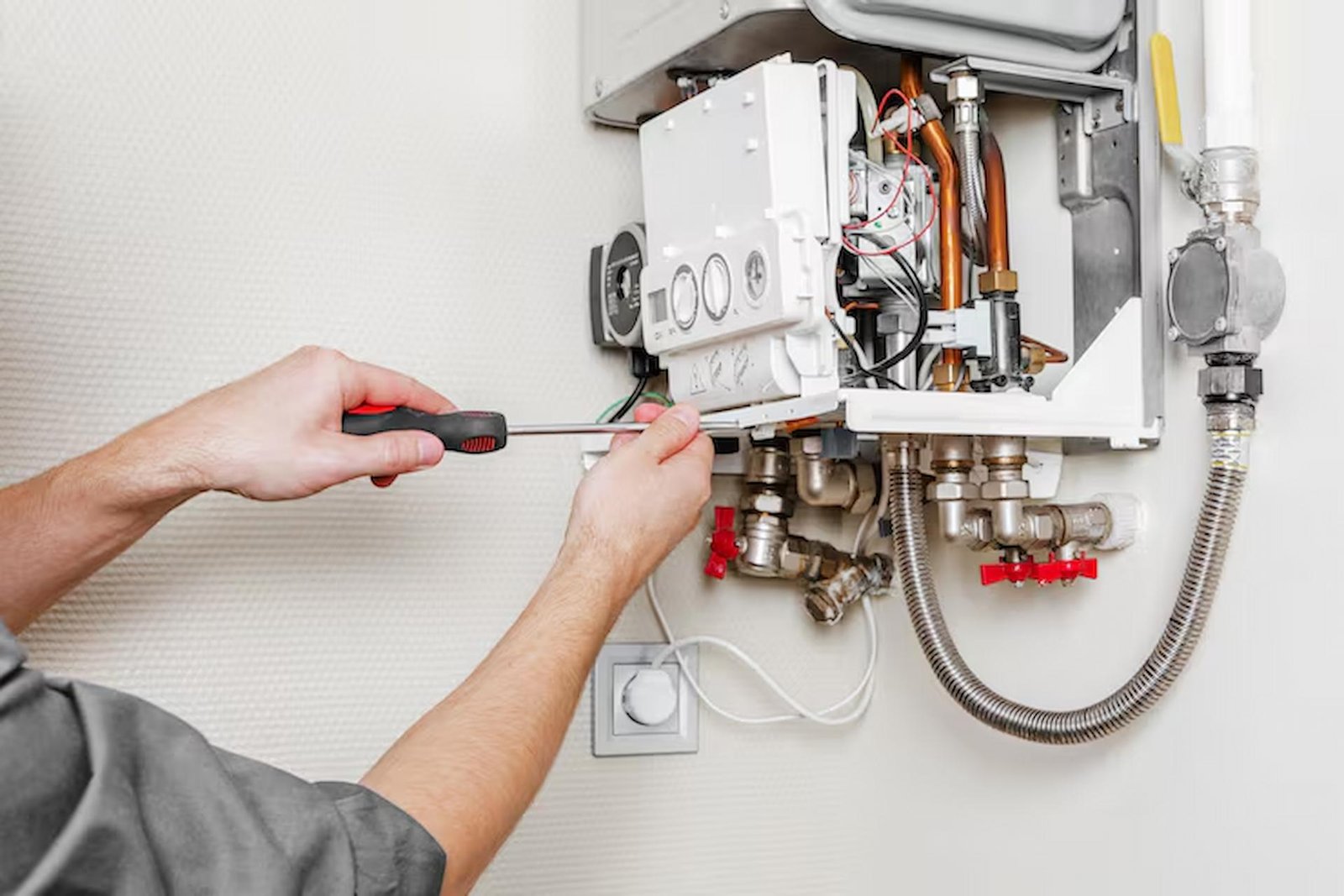
Depending on the property, useful improvements may include better insulation, energy-efficient windows, efficient heating equipment and improved draught-proofing. Smart heating controls and efficient lighting can also contribute to a more practical home.
Before investing, consider which improvements are appropriate for the property’s age, construction and existing systems. Quality and suitability matter more than simply adding as many energy-saving features as possible.
5. Create More Useful Living Space
Making better use of existing space can increase a home’s appeal. An unused room, awkward corner or neglected storage area may have more potential than you realise.
You could turn an underused area into a home office, reading space, storage area or practical utility zone. However, avoid making permanent changes that reduce flexibility. Buyers generally value rooms that can serve different purposes.
If you are considering a loft conversion, extension or other major structural project, check planning requirements and obtain professional advice before starting work.
6. Repair Problems Before They Become Bigger
Maintenance may not be as exciting as a new kitchen or bathroom, but it can have a significant impact on a property’s condition.
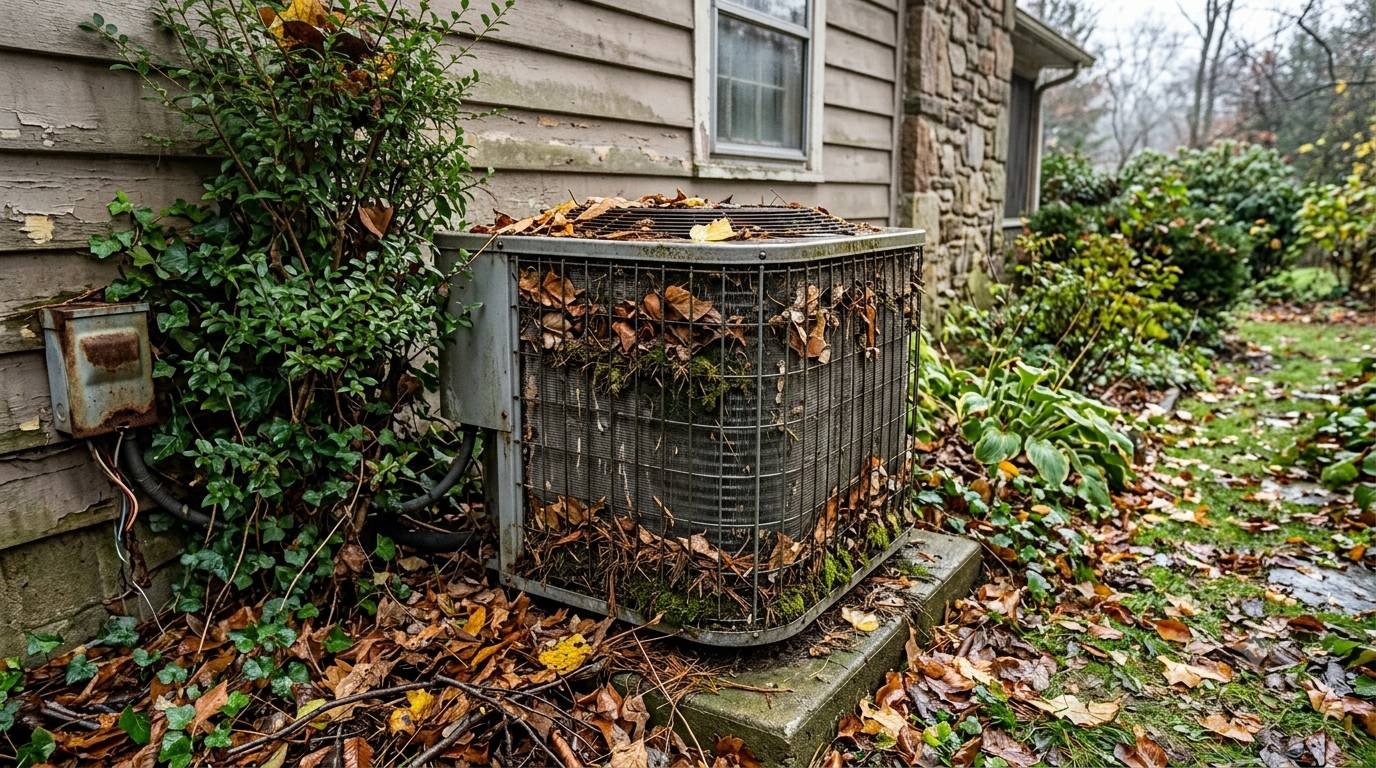
Deal with issues such as leaking taps, damaged roofing, cracked surfaces, faulty doors and deteriorating exterior materials. Small problems can become more expensive when they are left unresolved.
Keeping records of significant repairs and maintenance may also help demonstrate that the property has been properly cared for.
7. Upgrade Lighting
Good lighting can change how a room feels without requiring a major renovation. Dark or poorly lit rooms may appear smaller and less inviting.
Use a combination of general, task and accent lighting where appropriate. Replace outdated fittings and make sure key areas such as kitchens, bathrooms, hallways and workspaces have sufficient illumination.
During property viewings, clean windows and open curtains or blinds can also help make the most of natural light.
8. Prioritise Quality Over Trends
It can be tempting to follow the latest interior design trends, but trends can quickly become outdated. If increasing property value is your goal, choose improvements that are practical, durable and suitable for the home’s character.
Neutral finishes, good-quality materials and sensible layouts tend to provide greater flexibility than highly personalised designs. You want improvements to appeal to future buyers rather than only matching your own preferences.
Frequently Asked Questions
Which home improvements add the most value?
The most valuable improvements vary depending on the property and local market. Kitchens, bathrooms, energy-efficiency upgrades, additional usable space and essential maintenance can all improve buyer appeal when completed appropriately.
Should I renovate before selling my home?
Not necessarily. Start by identifying improvements that address visible defects or areas that may discourage buyers. A major renovation may not be worthwhile if the expected benefit does not justify the cost.
Is curb appeal really important?
Yes. A well-maintained exterior creates a positive first impression and can make the property feel more attractive before buyers even enter the home.
Conclusion
Increasing property value does not always require an expensive renovation. Well-planned improvements to the exterior, kitchen, bathroom, energy efficiency, lighting and general maintenance can make a home more appealing while improving everyday comfort. Before starting any project, consider your budget, the property’s condition and what prospective buyers are likely to value.