A heat pump can provide reliable heating and cooling while using less energy than many traditional systems, but its performance can decline for reasons that are not always obvious. Small maintenance issues, restricted airflow, poor insulation, and changing outdoor conditions can all affect how effectively the system operates.
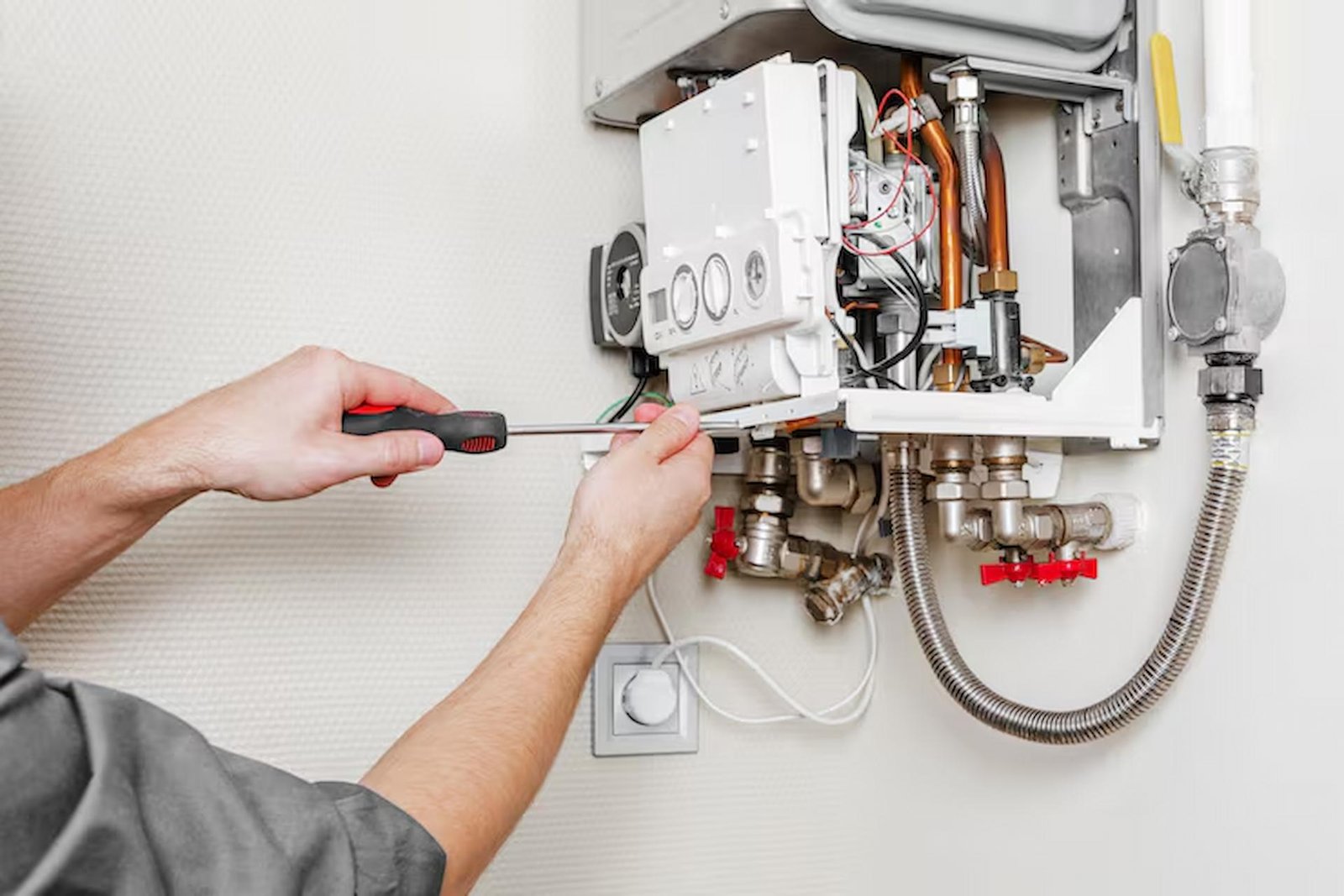
For homeowners who want to maintain dependable performance, energy-efficient heat pump services can help identify problems that may otherwise go unnoticed. Professional inspections can reveal issues affecting airflow, electrical components, refrigerant levels, or overall system operation before they become more disruptive.
Dirty Filters Can Restrict Airflow
One of the simplest factors affecting heat pump efficiency is a dirty air filter. As dust and debris build up, air has more difficulty passing through the system. This restriction can reduce airflow and make the heat pump work harder to maintain the desired indoor temperature.
Checking the filter regularly is an important part of routine maintenance. For homeowners seeking energy-efficient heat pump services, replacing or cleaning the filter according to the manufacturer’s recommendations can help support proper airflow. If airflow remains weak after changing the filter, the problem could involve the ductwork, blower, or another component that requires further inspection.
Outdoor Unit Obstructions Can Reduce Performance
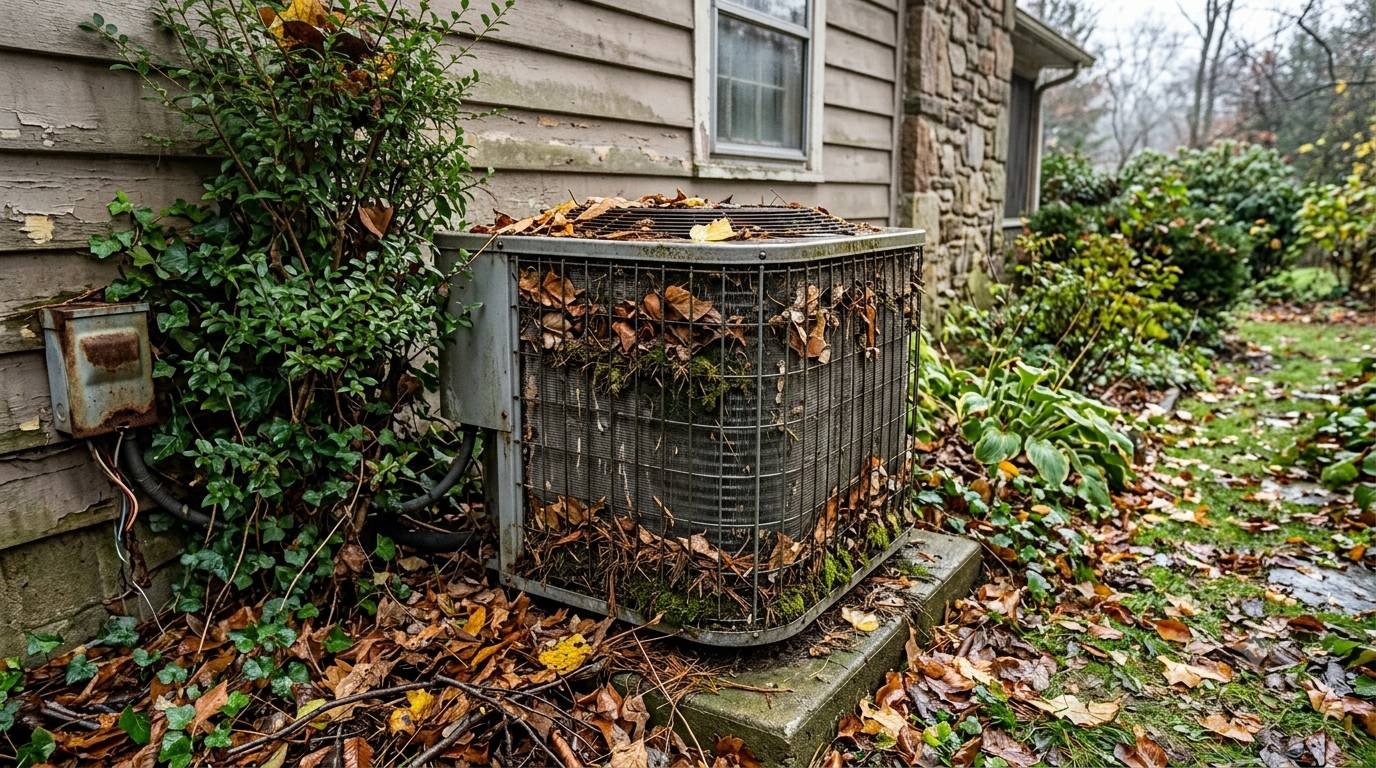
The outdoor unit needs sufficient airflow to transfer heat effectively. Leaves, grass, dirt, and other debris can accumulate around the unit and interfere with normal operation. Even when the heat pump appears to be running normally, restricted airflow can reduce its ability to heat or cool the property efficiently.
Keep the area around the outdoor unit reasonably clear and avoid placing objects directly beside it. During routine checks, look for visible debris or physical damage. If the coil appears heavily soiled or the unit develops unusual operating behaviour, professional cleaning or servicing may be appropriate.
Ductwork Problems Can Waste Conditioned Air
Hidden ductwork problems can affect efficiency without being immediately visible. Loose connections, damaged sections, or inadequate insulation can allow conditioned air to escape before it reaches the rooms where it is needed. This can contribute to uneven temperatures and longer operating cycles.
If one part of the home consistently feels warmer or cooler than another, the problem may involve air distribution rather than the heat pump itself. A professional inspection can assess whether the duct system is contributing to the issue and determine whether repairs or improvements are needed.
Poor Insulation Makes Heating and Cooling Harder
A heat pump can operate correctly while a poorly insulated home still struggles to maintain a comfortable temperature. Heat can enter or leave the property through the roof, walls, windows, doors, and other areas when insulation or sealing is inadequate. The system may then need to run for longer periods to compensate.
Improving insulation and sealing obvious air leaks can help reduce the amount of heating or cooling the property needs. Pay particular attention to draughty windows and doors, gaps around openings, and areas where insulation may be insufficient. These improvements can support more consistent indoor temperatures and reduce unnecessary demand on the heat pump.
Thermostat Settings Can Affect Efficiency
Thermostat settings can also influence how a heat pump operates. Frequently changing the temperature or selecting settings that cause the system to run excessively can make it more difficult to maintain steady comfort. A poorly positioned or malfunctioning thermostat can create similar problems if it does not accurately reflect the indoor temperature.
Keep the thermostat away from direct sunlight, draughts, heat-producing appliances, and other sources that could affect its reading. If the system repeatedly struggles to reach the selected temperature or cycles unexpectedly, the thermostat and heat pump controls may need professional evaluation.
Refrigerant and Mechanical Issues
A heat pump relies on the correct refrigerant charge and functioning mechanical components to transfer heat effectively. A refrigerant leak, failing fan motor, worn electrical component, or other internal fault can reduce performance. These problems may become noticeable through unusual noises, weak heating or cooling, longer operating periods, or inconsistent temperatures.
Homeowners should not attempt to handle refrigerant or complex electrical repairs themselves. These tasks require appropriate knowledge, equipment, and safety procedures. Professional servicing can help identify the cause rather than simply addressing the visible symptom.
Conclusion
Heat pump efficiency can be affected by several hidden factors, from restricted airflow and dirty outdoor units to poor insulation, ductwork problems, thermostat issues, and mechanical faults. Regular maintenance and attention to changes in performance can help identify these concerns early. Keeping filters clean, maintaining clear airflow, improving insulation where necessary, and arranging professional inspections when problems persist can help a heat pump deliver dependable performance while avoiding unnecessary energy use.