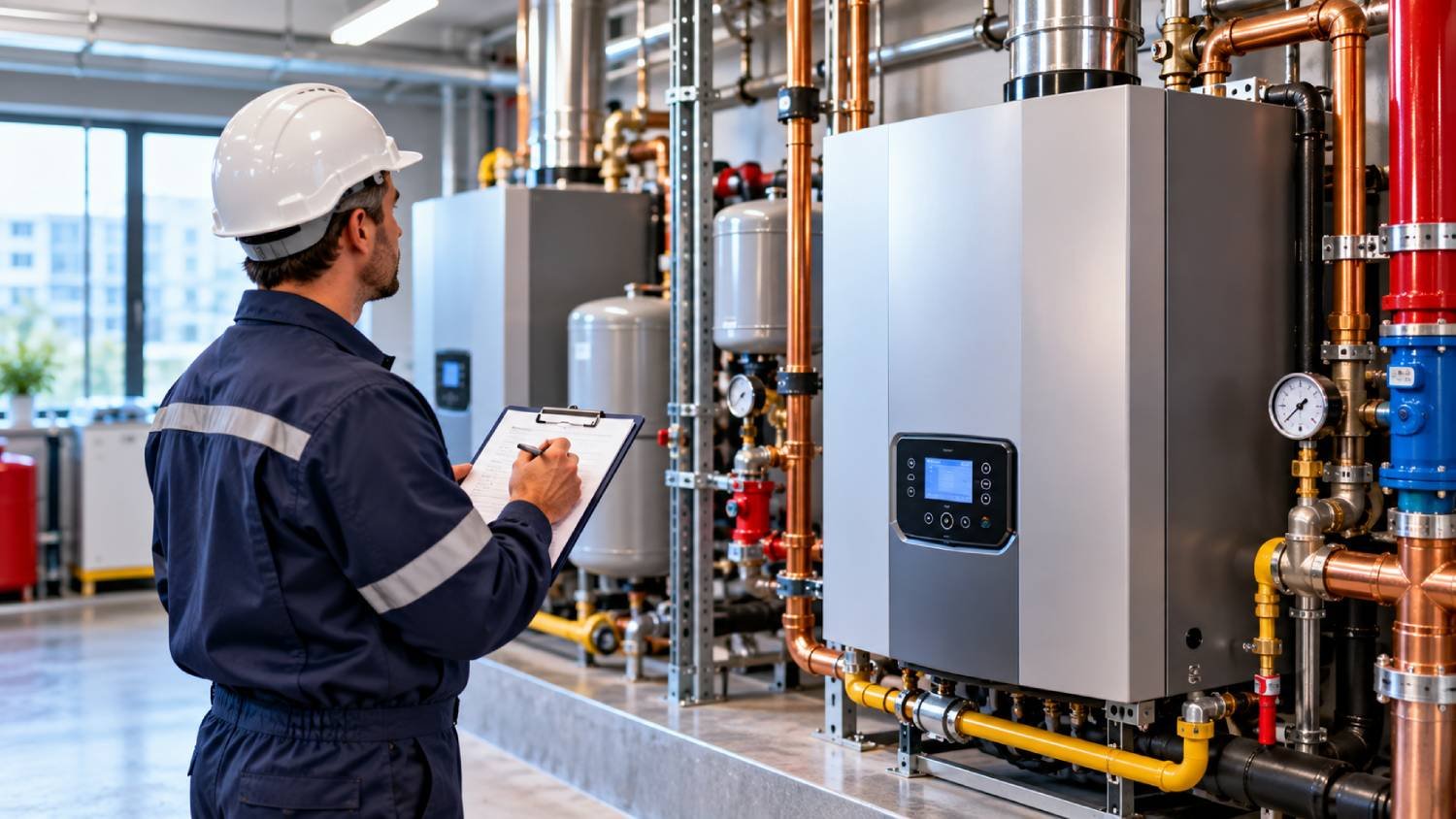
A commercial boiler plays an important role in maintaining comfortable indoor temperatures and supporting the daily operations of offices, retail premises, industrial facilities and other commercial buildings. However, ageing equipment can become less reliable, require more frequent repairs and consume more energy than necessary. Evaluating the long-term value of an upgrade helps businesses understand whether investing in a modern heating system makes financial and operational sense.
When considering commercial boiler replacement in Chicagoland, businesses should look beyond the initial installation cost. Factors such as energy consumption, maintenance expenses, system reliability and the building’s heating requirements all influence the overall value of the investment. A careful assessment of these factors can help property owners make informed decisions that support long-term efficiency and operational stability.
Assessing the Condition of an Existing Boiler
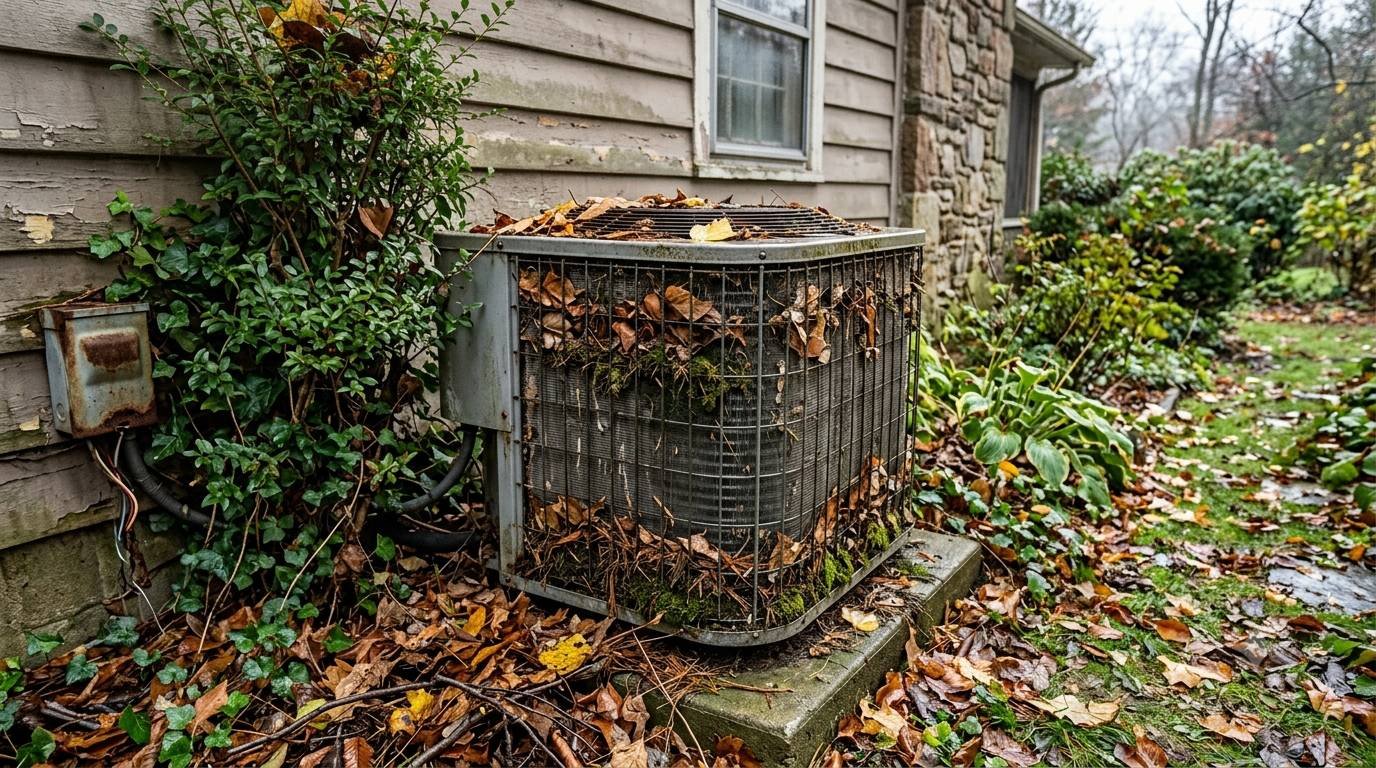
The first step in evaluating an upgrade is understanding the condition of the existing boiler. Older equipment may experience recurring breakdowns, inconsistent heating, unusual operating noises or difficulty maintaining the required temperature. Although these problems do not automatically mean replacement is necessary, they indicate that the system may need a professional inspection.
Maintenance records can provide useful information about the boiler’s performance over time. Businesses should review repair frequency, replacement parts, service expenses and periods of disruption. If maintenance costs continue to rise or essential components become difficult to source, replacing the system may offer better long-term value than repeatedly repairing ageing equipment.
Comparing Energy Efficiency and Operating Costs
Energy consumption is one of the most important considerations when assessing a commercial boiler upgrade. An inefficient system may require more fuel to deliver the same level of heating as a properly functioning modern alternative. However, the actual improvement depends on the condition of the existing equipment, the replacement model and the way the system operates within the building.
Businesses should compare the expected operating costs of different boiler options before making a decision. Factors such as fuel type, rated efficiency, heating demand, operating schedules and local energy prices can affect overall expenditure. A qualified heating professional can help estimate potential savings based on the building’s circumstances rather than relying on general claims about efficiency.
Calculating the Total Cost of Ownership
The purchase price represents only part of a boiler’s long-term cost. Businesses should also account for installation, routine servicing, repairs, energy consumption and any modifications required to accommodate the new equipment. Considering these expenses together provides a clearer picture of the financial commitment over the system’s expected working life.
For a more accurate comparison, decision-makers should examine initial equipment and installation expenses alongside expected annual energy consumption, routine maintenance costs and likely repair requirements. They should also consider changes to pipework, controls or ventilation and any disruption during installation. Comparing these expenses with the anticipated performance of the existing boiler helps establish whether an upgrade offers reasonable financial value.
Considering Reliability and Business Continuity
Heating interruptions can affect staff comfort, customer experience and certain business operations. In facilities that depend on consistent heating or hot water, an unreliable boiler may create additional challenges, particularly during periods of high demand. The potential impact of equipment failure should therefore form part of any replacement assessment.
A modern boiler may offer improved controls, more consistent operation and easier integration with building management systems, depending on the equipment selected. Before upgrading, businesses should assess heating demand, redundancy requirements and installation timing. Planning the work around quieter operating periods can also help reduce disruption to normal activities.
Choosing the Right Boiler for the Building
Selecting equipment that matches the building’s heating requirements is essential for long-term performance. A boiler with insufficient capacity may struggle to meet demand, while an oversized unit may operate inefficiently under certain conditions. Building size alone is not enough to determine the correct capacity, as insulation, hot water demand, occupancy patterns and existing distribution systems also influence heating requirements.
Businesses should ask qualified professionals to assess the property and explain the available options. The evaluation should consider system compatibility, control requirements, maintenance access and applicable safety regulations. Comparing written quotations on a like-for-like basis can help decision-makers understand what each proposal includes and avoid selecting equipment based solely on its initial price.
In Summary
Evaluating the long-term value of a commercial boiler upgrade requires a balanced assessment of equipment condition, energy efficiency, ownership costs, reliability and suitability for the building. Reviewing maintenance records and comparing realistic operating expenses can help businesses determine whether continuing with the existing system or investing in a replacement is the more practical option.
Before making a final decision, obtain a professional assessment and compare the expected costs and benefits of the available solutions. A well-planned upgrade should address the building’s actual heating requirements, support dependable operation and offer a sound financial case over the system’s working life.