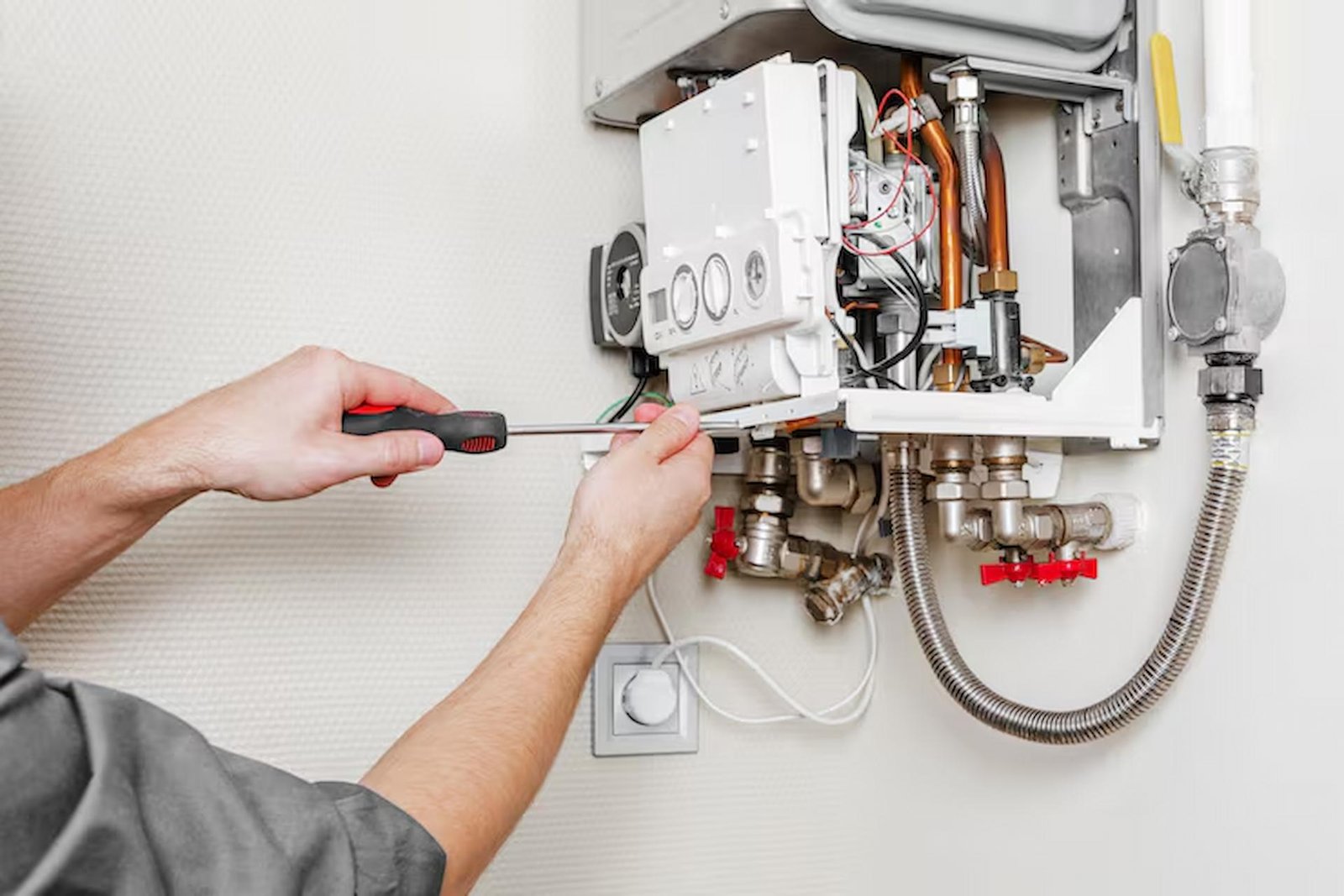
A heat pump is one of the hardest-working systems in your home. It keeps you comfortable through cold winters and warm summers, often running throughout much of the year. Because it operates so frequently, even small issues can develop over time. Catching those problems early can help prevent expensive repairs, improve energy efficiency, and extend the life of your system.
If you’ve noticed subtle changes in how your heat pump performs, it may be time to schedule professional heat pump service Milford, OH before a minor issue turns into a major breakdown. Recognizing the warning signs early gives homeowners the opportunity to address problems while they’re still manageable.
Unusual Noises Shouldn’t Be Ignored
Heat pumps naturally make some sound during operation, but loud or unfamiliar noises are often a sign that something isn’t right. Grinding, rattling, buzzing, or squealing can indicate loose components, worn bearings, electrical issues, or debris inside the unit.
A system that suddenly becomes noisier than usual deserves attention. Ignoring these sounds may allow a relatively small repair to become more extensive if damaged parts continue to wear against one another.
Rising Energy Bills Without a Clear Reason
One of the earliest indicators of heat pump trouble is an unexplained increase in monthly utility bills. As components wear out or airflow becomes restricted, the system must work harder to maintain the desired indoor temperature.
Higher energy consumption doesn’t always mean the unit has reached the end of its lifespan. Sometimes a clogged filter, dirty coils, refrigerant issue, or malfunctioning component is reducing efficiency. Addressing the cause early can often restore performance and lower operating costs.
Uneven Heating or Cooling Throughout the Home
If some rooms feel comfortable while others remain too warm or too cool, your heat pump may not be distributing air properly.
Several factors can contribute to uneven temperatures, including:
- Restricted airflow
- Dirty air filters
- Blocked vents
- Refrigerant problems
- Failing blower components
- Thermostat issues
Although some temperature variation is normal in larger homes, noticeable changes that continue over time shouldn’t be overlooked.
Frequent Cycling Can Signal Trouble
Heat pumps naturally cycle on and off to maintain indoor temperatures. However, if your system starts turning on and off every few minutes, something may be interfering with normal operation.
Short cycling places unnecessary stress on the equipment, increases energy usage, and accelerates wear on important components. Possible causes include thermostat problems, refrigerant imbalances, electrical faults, or an improperly sized system.
The longer short cycling continues, the greater the risk of more serious mechanical failures.
Weak Airflow Reduces Comfort
When air coming from the vents feels weaker than normal, your heat pump may be struggling to move air efficiently.
Poor airflow can result from:
- Dirty filters
- Blocked ductwork
- Failing blower motors
- Frozen evaporator coils
- Obstructed outdoor units
Reduced airflow not only affects comfort but also forces the system to run longer to achieve the desired temperature, increasing both energy use and equipment strain.
Ice Buildup That Doesn’t Go Away
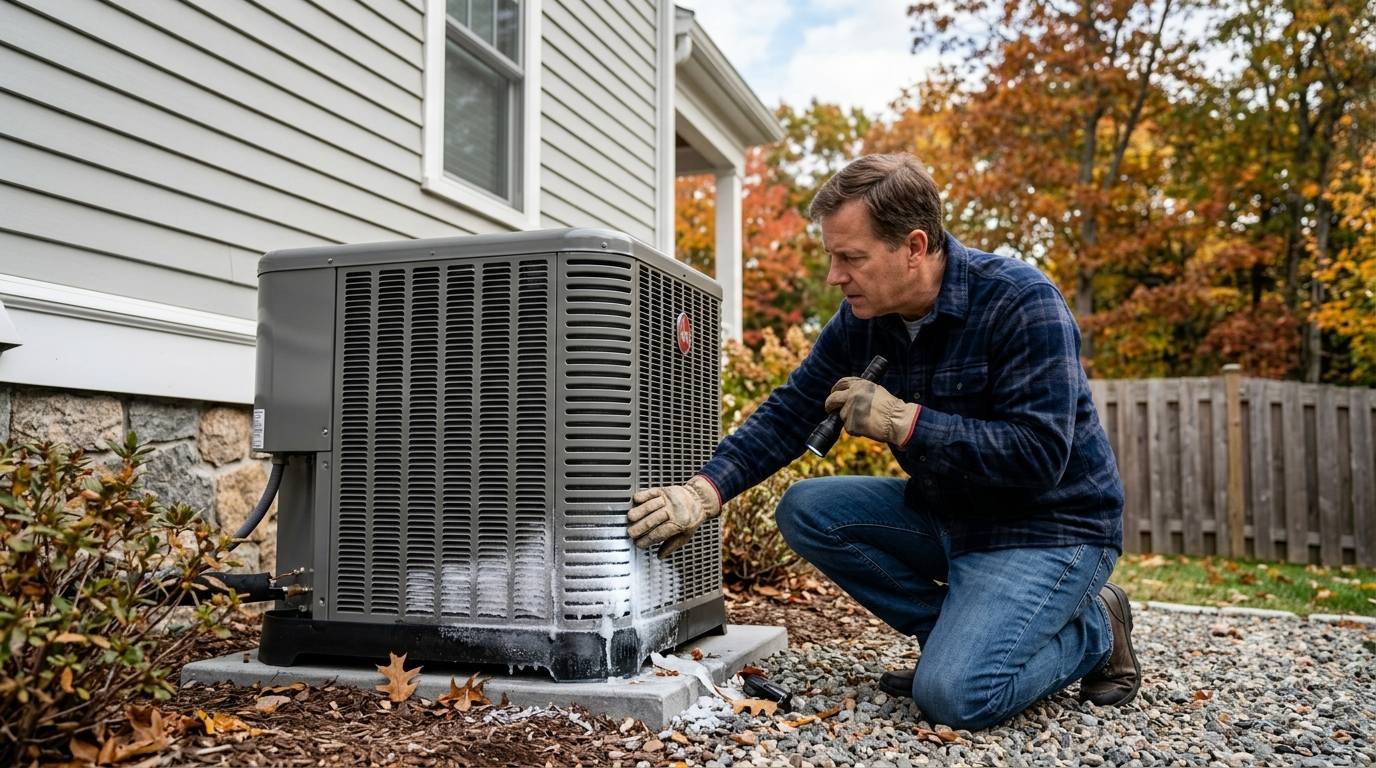
During cold weather, a heat pump may briefly develop frost on the outdoor unit. This is usually normal, as the system periodically enters a defrost cycle to remove the accumulation.
However, thick ice that remains for extended periods can point to a problem. Faulty defrost controls, low refrigerant levels, airflow restrictions, or damaged components may prevent the system from clearing ice properly.
Persistent ice buildup should always be inspected before it affects overall performance.
Strange Odors During Operation
Heat pumps shouldn’t produce strong or unpleasant smells while running.
A musty odor may suggest moisture buildup that has encouraged mold or mildew growth. Burning smells could indicate overheating electrical components or dust burning off after long periods of inactivity. Any persistent odor deserves prompt attention, especially if accompanied by unusual noises or declining performance.
Your Heat Pump Runs Constantly
During extremely hot or cold weather, longer operating cycles are expected. However, if your system seems to run almost continuously under moderate outdoor conditions, it may be losing efficiency.
Continuous operation can result from dirty coils, refrigerant leaks, airflow restrictions, thermostat problems, or aging components. A system that rarely reaches the desired temperature is working harder than necessary, leading to higher utility costs and increased wear.
Delayed Heating or Cooling Response
A properly functioning heat pump should begin changing indoor temperatures within a reasonable amount of time after the thermostat setting is adjusted.
If the home takes significantly longer to warm up or cool down than it once did, performance may be declining. Reduced efficiency often develops gradually, making it easy to overlook until comfort noticeably suffers.
Monitoring changes in response time can help identify problems before they become more severe.
Don’t Forget Routine Maintenance
Many heat pump issues begin with normal wear that could have been identified during routine maintenance. Seasonal inspections allow technicians to clean components, check refrigerant levels, inspect electrical connections, and verify that the system is operating efficiently.
Homeowners can also help maintain performance by replacing air filters regularly, keeping outdoor units free of leaves and debris, and ensuring indoor vents remain unobstructed.
Preventive care often reduces the likelihood of unexpected breakdowns while helping the equipment operate more efficiently throughout the year.
Final Thoughts
Heat pumps often provide subtle warning signs before major problems develop. Strange noises, rising energy bills, uneven temperatures, weak airflow, frequent cycling, persistent ice, and unusual odors are all signals that shouldn’t be ignored.
Paying attention to these early indicators allows homeowners to address small issues before they become costly repairs. Regular maintenance, combined with prompt attention to changes in performance, can help keep a heat pump operating reliably and efficiently through every season.